Skip to content
What we do · By equipment

Dispatch support for dry van, reefer and power-only

Owner-operators, small fleets and larger fleets pulling a dry van, a reefer or another company's trailer: here is what we help with on each, what we need from you, and how we look for the next load. Nothing is booked without your yes.

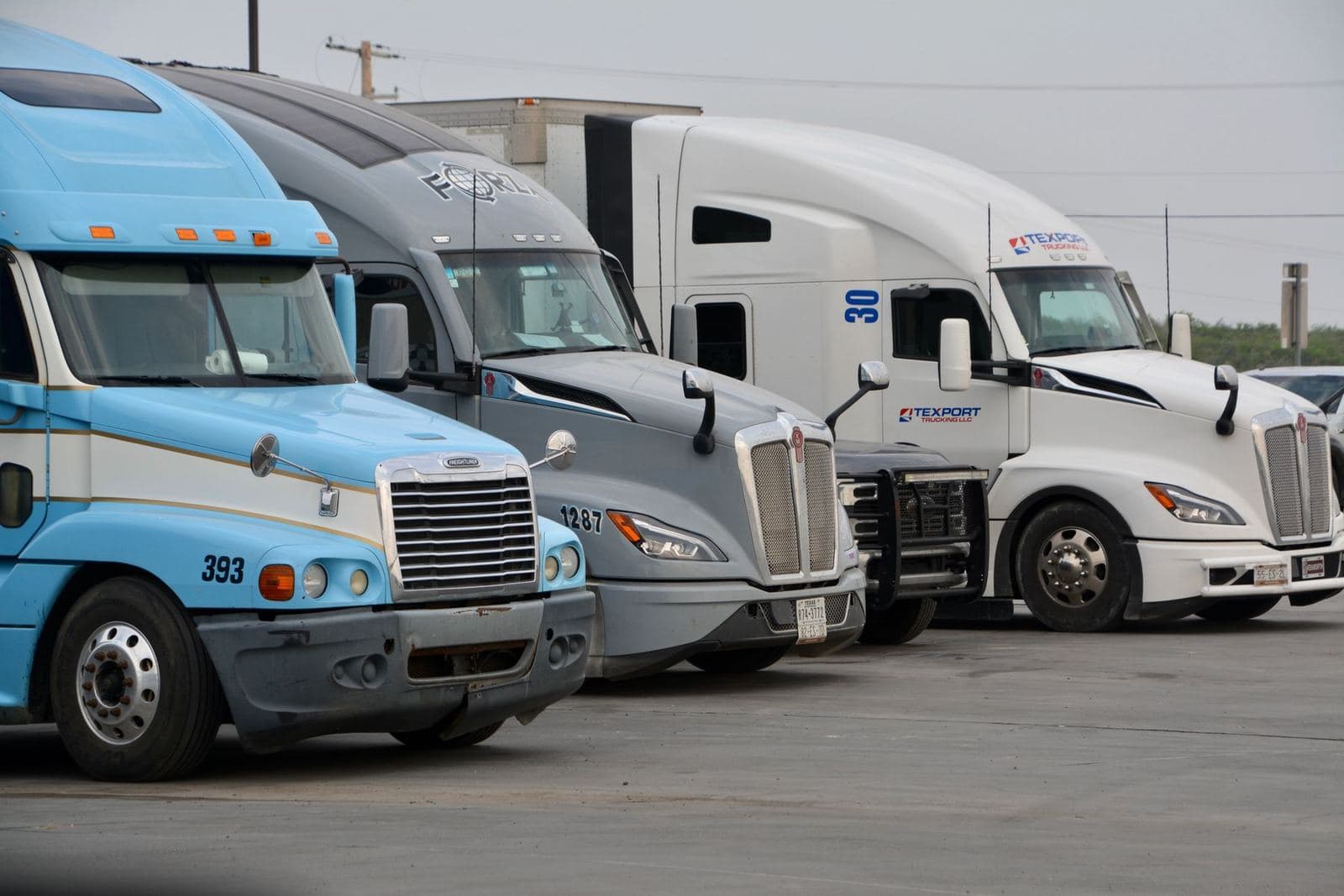
A row of semi trucks parked side by side, between loadsThree ways to haul, one operating partner
01

Dry van

The enclosed trailer that moves boxed and palletized freight with no temperature to hold. Dry van loads are plentiful, so the work is choosing the right one out of many and getting paid for the time spent at the dock.

In the glossary: Dry van

What we help with

  • Search loads by lane, date and trailer, and price the empty miles to pickup before we say yes
  • Check the broker's credit and days to pay before a rate is accepted
  • Read the rate confirmation for live load or drop and hook, appointment times, weight, detention and lumper terms
  • Log check-in and check-out times at the dock, so a detention request has its timestamps
  • Chase the signed bill of lading and proof of delivery, so the invoice can go out

What you provide

  • Trailer length, door type and any limits on weight, lanes or home time
  • Load locks or straps when the freight needs securing
  • A photo of the signed bill of lading at pickup and the proof of delivery at delivery
  • Your driver's available hours of service, kept current

How we look for loads

Dry van freight is posted widely, so we search the boards and our own relationships side by side and choose on the whole trip: the rate, the empty miles, the time at the dock and the reload out of the delivery area.

02

Reefer

A refrigerated trailer for freight that must stay at a set temperature. More can go wrong, so more gets written down: the temperature, how the unit runs and when it was checked.

In the glossary: Reefer

What we help with

  • Price the trip with the reefer unit's fuel in the costs, not only the truck's miles
  • Read the rate confirmation for the temperature setting, continuous or cycle mode and any pre-cool instruction
  • Check the broker's credit and days to pay before a rate is accepted
  • Keep appointments tight, since a missed slot can mean hours of waiting with the unit running
  • Gather the temperature readings and paperwork a broker or receiver asks for when a load is questioned

What you provide

  • A reefer unit that is serviced and fueled before each load
  • The trailer pre-cooled before loading when the load calls for it
  • Temperature readings or a unit download when a broker or receiver asks for one
  • Your driver's available hours of service, kept current

How we look for loads

Reefer loads are posted on the same boards as dry van and offered through our own relationships. We match them to your lanes and look at the reload too; on a slow day, some brokers will put a reefer on a dry load, which widens the search.

03

Power-only

You bring the truck and the driver; the trailer belongs to someone else, such as the shipper or the broker. The work is in the handoff: which trailer, where it is, and what shape it is in.

In the glossary: Power-only

What we help with

  • Search power-only loads by lane and date, including preloaded trailers waiting at a yard
  • Read the rate confirmation for where the trailer is picked up and dropped, and for any trailer interchange terms
  • Check the broker's credit and days to pay before a rate is accepted
  • Plan from the trailer drop to the next pickup, so the truck does not run far without a trailer for its reload
  • Chase the trailer number, seal number and proof of delivery, so billing can start

What you provide

  • Insurance that covers pulling a trailer you do not own, when the trailer owner asks for it; your insurance agent can say what that takes
  • A walk-around of the trailer, with photos, before it leaves the yard
  • The trailer and seal numbers from the pickup paperwork
  • Your driver's available hours of service, kept current

How we look for loads

Power-only freight is offered by brokers and shippers with trailers to move, so broker load portals and our own relationships count as much as the boards.

Where your loads come from

More than one place to look for your next load.

A good load can turn up in any of these places, so we search them side by side for your lanes. A quiet day on one source is not the end of the search.

  • Our own relationships

    People in freight we know personally and can call directly.

  • Vetted, verified brokers

    Brokers whose authority, credit and days to pay we check before we book. A check lowers the risk of a slow payer; it does not remove it.

  • DAT and 123Loadboard

    Load boards where brokers and shippers post freight, searched by lane, equipment and date.

  • Other spot-market boards

    One-off loads, priced at the going rate on the day.

  • Broker load portals

    The sites and apps some brokers, such as TQL, run to offer their loads to carriers.

  • Other platforms carriers use

    The other apps and sites carriers use every day to find freight.

These names belong to their owners. We name them only to show where we look for loads: none of them endorses us or is affiliated with us. Read the Disclaimer

On every truck

Whatever it pulls, the same habits.

  • 24/7 dispatch for our clients, within scope
  • Broker credit and days to pay checked before a rate is accepted
  • Every rate confirmation read line by line before the truck moves
  • Invoices sent with the paperwork attached, and the week's numbers every Monday
  • No load booked without your yes

See all eight jobsHow truck dispatching works, step by step

What we do not do

Where our help stops.

  • We are not a freight broker.
  • We do not promise loads, rates or income. Results depend on freight markets, your costs, your equipment, your drivers and the brokers you are approved with.
  • A plan from us never overrides a driver's judgment or the hours-of-service rules. Whether a trip can be run safely and legally is the carrier's call.

Other equipment

Equipment beyond dry van, reefer and power-only is considered case by case. If it is not a fit, we will say so on the first call rather than three months in.

Let's talk about your truck

Tell us what you pull. We will tell you if we are a fit.

A 10-minute phone call covers your equipment, your lanes and what is not working. We quote each carrier personally and agree the fee in writing before anything starts.